
Flagship Species: The Redshank
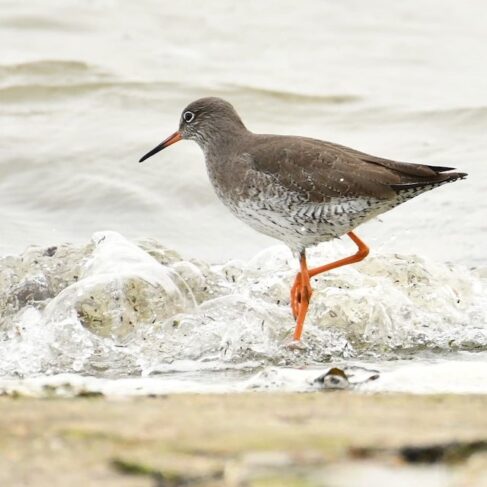
Redshank in Waldringfield on the River Deben (Photo credit: Jim Brinsley)
The redshank is the flagship species in the Suffolk & Essex Coast & Heaths National Landscape. Find out more about these birds, known as the Sentinels of the Marshes!
Redshanks (Tringa totanus) breed, feed and nest along the tidal rivers of Suffolk and Essex), but sadly the UK’s redshank population has declined by 44% in the last 25 years.
Redshanks are vulnerable to disturbance throughout the year, including when they are trying to breed and when they’re feeding in winter.
When visiting the Suffolk & Essex Coast & Heaths National Landscape there are things that you can do to avoid disturbing redshank and other wildlife:
- Never get within 75 metres of redshank when on land or water
- Always stick to footpaths
- Keep dogs off mudflats
- Keep dogs on leads where instructed by signs
On the Suffolk & Essex Coast & Heaths National Landscape coast it was once widespread breeding in fairly even populations on two distinct habitat types: lowland wet grassland and saltmarsh.
However, they are not just a breeding bird in the Suffolk & Essex Coast & Heaths National Landscape; there are also important winter populations on the coast and in river estuaries.
How do you identify a redshank?
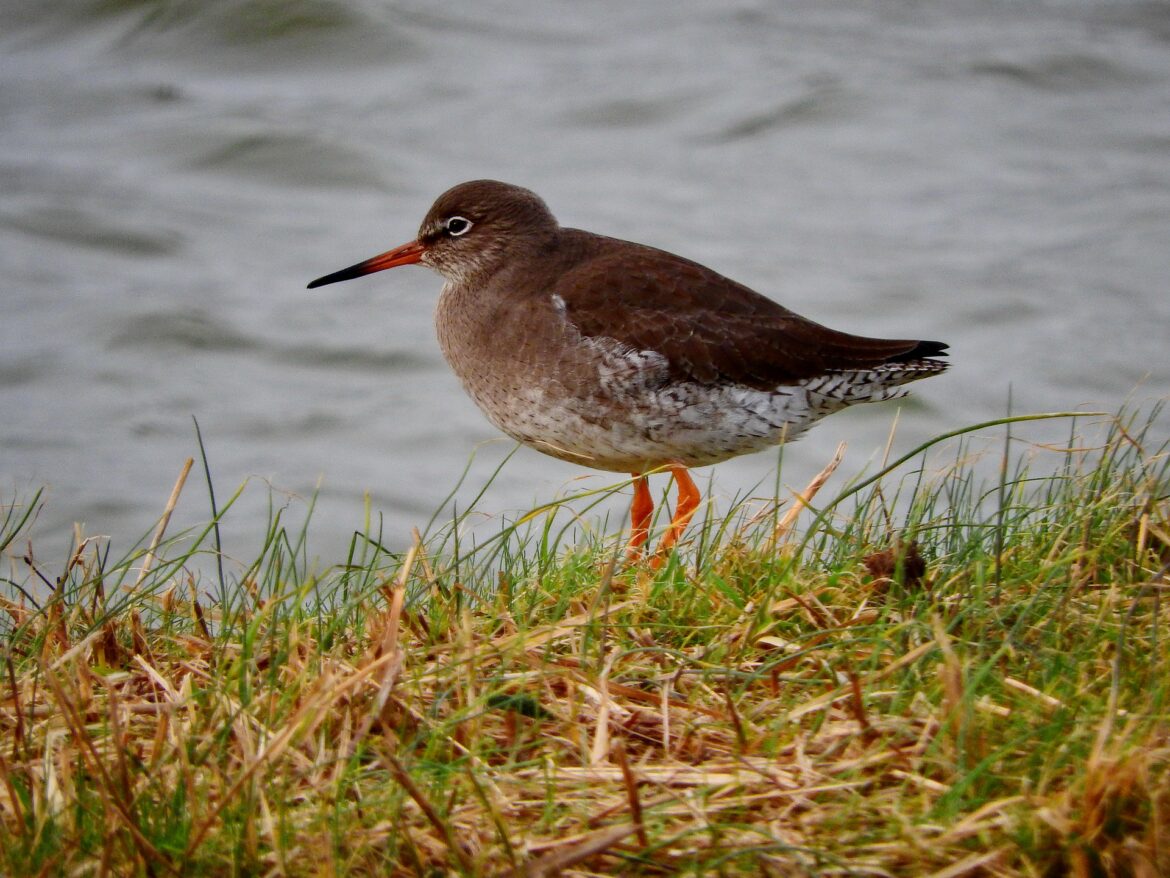
- Medium sized, noisy waders
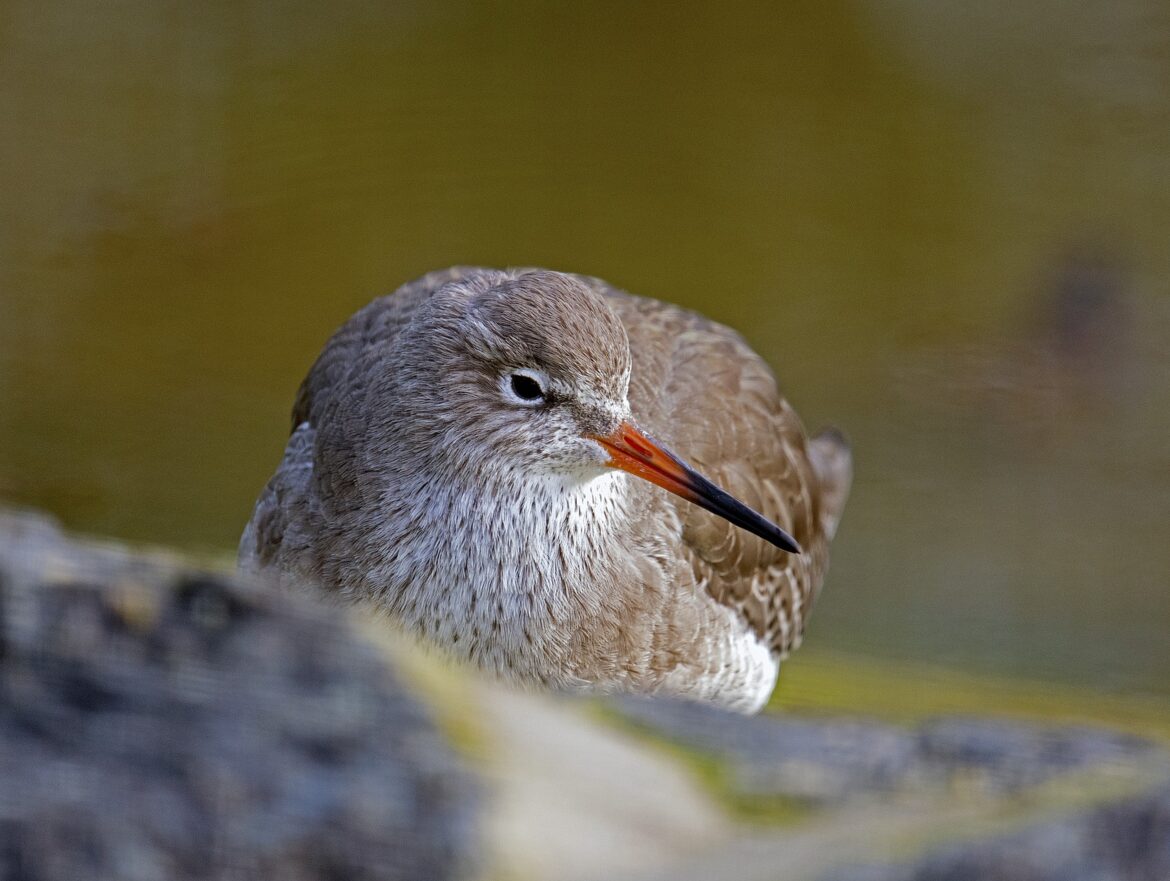
- Orange/red legs
- Brownish upper body with paler speckled belly
- Straight beak with orange/red base and black tip
This project is supported by funding from Natural England.
Why was the redshank selected as the Flagship Species for the Suffolk & Essex Coast & Heaths National Landscape?
The Redshank (Tringa totanus) was selected by environmental partners representing 16 organisations to become our flagship species for a variety of different reasons including:
- The Redshank is an Amber Listed bird of conservation concern in the UK. Sadly it has experienced a decline in its breeding population of 44% in the last 25 years.
- Conservation action for redshank could result in large-scale habitat improvement on the coast. Collectively wet grassland and saltmarsh make up to 30% of the area of priority habitats in the Suffolk & Essex Coast & Heaths National Landscape. This is more than any other habitat.
- Action for redshank on these habitats would be to the benefit of other species including lapwing as well as wintering birds and the same habitat improvements could also contribute positively towards ecosystem services including flood prevention and carbon sequestration.
- There are existing initiatives in the Suffolk & Essex Coast & Heaths National Landscape that could benefit from the selection of redshank as the flagship species and could help facilitate targeted redshank conservation (Suffolk Wader Strategy and Suffolk Saltmarsh Group).
- Redshank is a symbol of Suffolk’s changing coastline – the Suffolk coast being a naturally dynamic coastline that requires conservation approaches to be adapted to changes to habitat loss and embrace new opportunities that arise.
- Redshank have been faced with numerous challenges relating to their coastal habitats and although they have declined disproportionately as a breeding species on the saltmarsh they have quickly responded to new opportunities that have been made available to hem by wetland conservation projects by several organisations on the coast.
They are a symbol of resilience and are a reminder of what is possible to achieve through partnership working.
Find out more about our Nature Recovery work across the Suffolk & Essex Coast & Heaths National Landscape.